
The Great Dane-
History :
As early as 3000 BC, carvings of dogs on Egyptian tombs depict the Great Dane. Archeological evidence exists of a Dane-type dog used for hunting and to fight bears and bores. However, the Great Dane as we know it today was developed in Europe during the 1800s and declared the national breed of Germany in 1876. As a boarhound, the Dane of yesterday was very different, both in structure and temperament from the Dane of today. When no longer used for hunting, the breed changed to one of a companion and estate guard dog.
Care for the Great Dane :
Educate yourself on bloat, or gastric torsion. it's ultra important that your Danes do not eat to fast ( slow feeder) if they do, drink to fast ( slow water bowl ) if they do, and run/ play for 45 mins to an hour before and after eating to avoid life threatening bloat or GT. Bloat is common in deep chested dogs like the Great dane. As they get older you can do more research and talk with your vet about tacking your dogs stomach when they get spayed/neutered. We do not allow our puppies to get spayed and or neutered until 24 months or older, that is when their growth plates have fully closed. It can cause a lot of health and growth issues if spayed/neutered younger, when growth plates aren't closed.

Understanding Knuckling:
Knuckling are the bones in the legs and feet going a different way then they are supposed to which is straight. How this happens is usually improper nutrition, and growing way to fast. We fix this with vitamin c ( Easter C ) as well as the proper nutrition. This is why the breeder will keep in contact, and will want updates and pictures, to identify the problem before it gets too bad, and help you fix it.
The Danes Personality:
They are very funny, very regal, and yet very protective. They love pleasing and being next to their families. They can be stubborn, and hard headed when young, but through proper training they will be a lifelong best friend. They are amazing family pets, they do great with other animals, children, and the elderly. They should never be aggressive, super fearful, and over lazy. Early socialization is a big play in your Danes personality as well training!
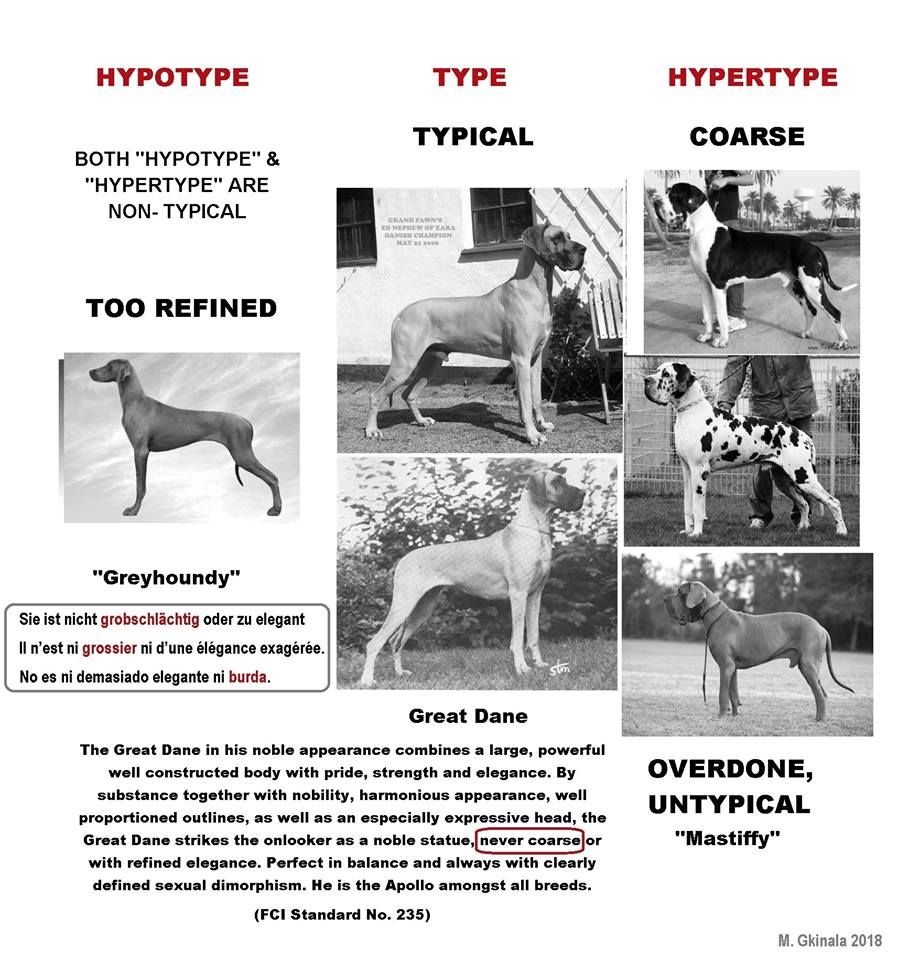
Do not overfeed :
Everyone wants the biggest Dane, however with overfeeding comes an array of health risks, including cardiovascular issues, hip and joint issues and so on. Keep your Dane lean trim. Feeding the best quality food, will give the best results in health and longevity in their life span. If you are unsure how much your dog should be eating, reach out to your vet, and your breeder.
Proper exercise :
Don't be a lazy dane owner. Outside the home is much needed as well as being with the family. 30 minutes to an hour of exercise in the morning and night, along with mental stimulation on top of that will do wonders for your Danes health and well being. Be careful, running your fast growing pup too hard, and on hard surfaces ( streets, concrete, wood floors, etc ) because this can lead to inflammation of the bones, ( which hurts really bad ). This happens because their bones are so far apart at a young age, that when they are running or jumping a lot, their bones are hitting against each other over and over to where it causes it to inflame. Running or walking on softer surfaces as they are growing will help tramendiously ( grass, carpet, rugs, sand, etc ). But try and let your dog be a dog and give them the best life, without worrying to much!

Young Great Dane Pups :
Like I said before, They have soft growth plates up until about 12-15 month old. So avoid letting them run on hard surfaces until they fully developed. This can save years of painful hip and joint issues when they`re older. They grow very fast, and need patience from their family as they look like they are an adult but still mentally a pup until about the age of 2 years old.
Be the Leader :
You now have a dog that's larger than most adults. It's important to do frequent obedience training as a dog this large that doesn't obey can cause harm or damage to others or themselves. Like people, dogs are individuals with their own unique personalities. While many Great Danes are naturally sociable and friendly with everyone they meet, others have a tendency to be aloof with strangers. Remember that it was once their job to guard the estates of German nobles. Some dogs retain their protective instincts. This is why socialization is super important. Socializing them at a young age will correct them and teach them when they are overstepping their boundaries. A large dog can easily hurt a smaller dog or person without even trying. Training will also connect, and grow a strong bond between the both you. Remember our emotions are a big part of them as well, stay calm, never anger, and enjoy the ride of the world with your best friend.


